
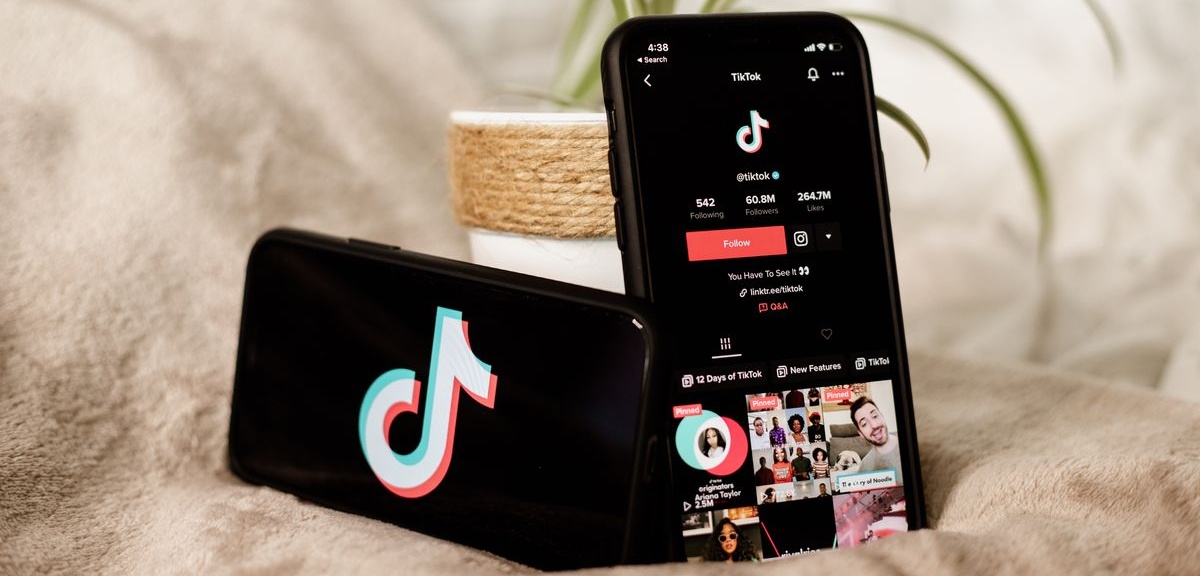
TikTok is testing the brand-new shopping function “Trendy Beat” in the British market, as reported by the external media TechCrunch and Financial Times, an initiative that focuses on the sale of hot commodities that are red as a result of the transmission of the platform’s short video virus.

Unlike the previous TikTok Shop model, which relied mainly on third-party vendors, TikTok Beat was the autonomous purchase, inventory management and sale of commodities under TikTok and the uniform labelling of TikTok Shop Trendy Beat to ensure quality control and rapid compliance. “Trendy Beat” as a submodule of TikTok Shop is currently being distributed only in a small range in iOS and Android App in the United Kingdom, and is available to users at the bottom of the For You page or in the search bar. The function selects the products of fire in hot short video from the platform, such as ear wax cleaning tools, current-flowing accessories or kitchen smalls, which are automatically on board by algorithms tracking video interactive data (e.g., over 100,000 orders).
The British director of TikTok said: “Trendy Beat is not a simple salesman, but a direct realization of the contents of the virus, helping creators and users share the current dividend. TikTok Shop has become a corporate revenue pillar since it went online in South-East Asia in 2021: in 2024, the global GMV exceeded $20 billion, but the US-Europe market accounted for only 15 per cent, driven mainly by third-party sellers (such as Chinese cross-border traders). The third-party model, however, highlights quality differences, logistics delays and high return rates (12 per cent in the United Kingdom), affecting user confidence. “Trendy Beat” as part of Project S is the self-run “revenging” of TikTok – The plan aims to target high-potential commodities through content algorithms, similar to the “shopping label” upgrade in Instagram.

In the first half of 2025, short video shopping penetration in the United Kingdom reached 35 per cent and TikTok users exceeded 30 million. Similar to the first test in 2023, this time it focused more on the self-employed supply chain: TikTok has invested $50 million to build a London warehouse, working with local logistics such as Royal Mail.