
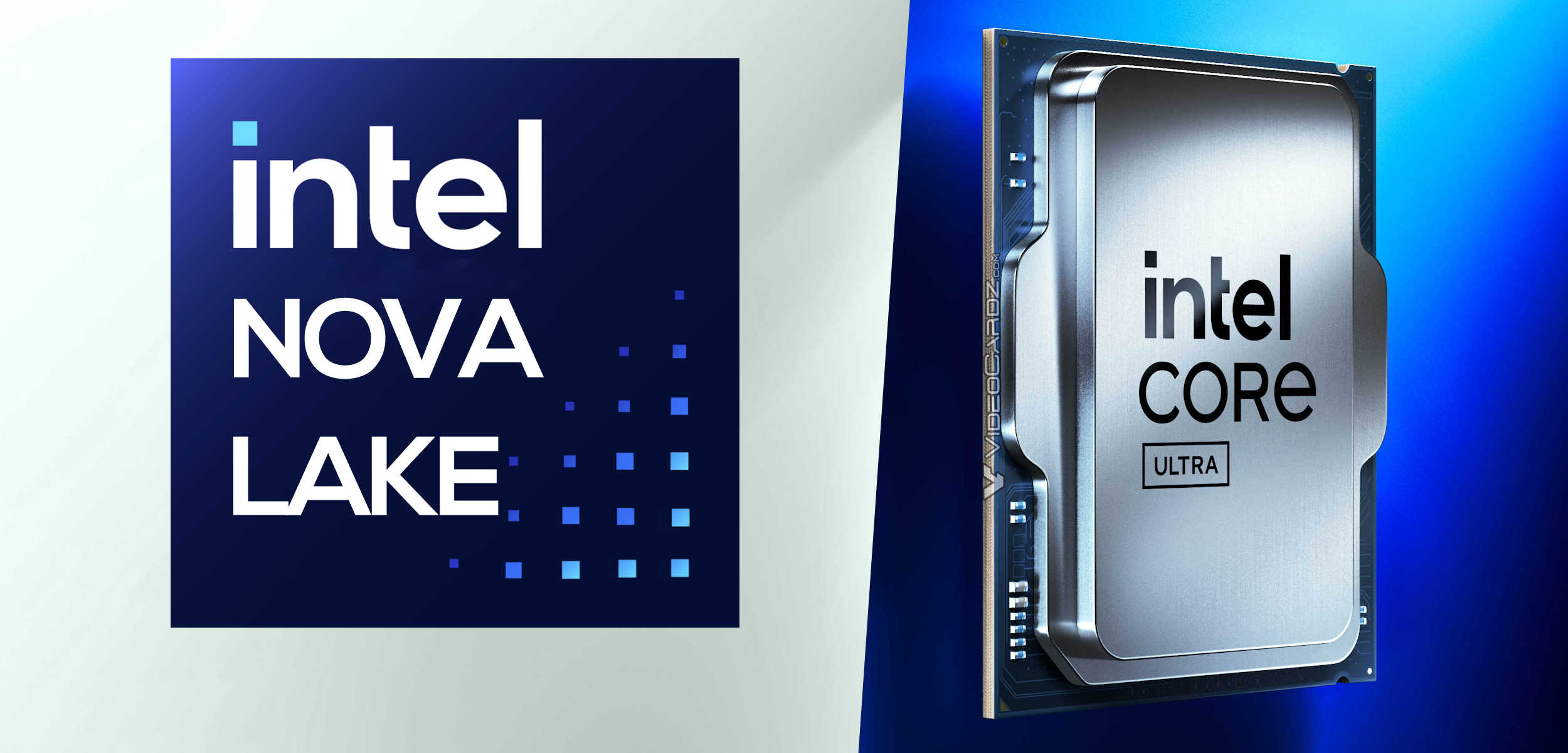
Intel announced at the Investors’ Conference that all new products of the company in the future would be targeted at at at least 50 per cent. This strategy aims to move Intel from a low-profit traditional PC chip market to a high-growth, high-profit AI, data centre and marginal computing area.
Intel ‘ s performance in recent quarters has been unsatisfactory, particularly in the area of artificial intelligence/data centres (AI/DC) and in the consumer-level business sector, where the harvest has been hit hard, partly because of the company ‘ s products in their respective areas. Its Gaudi AI product line has not received any attention at all, and CPUs like Arrow Lake have not been able to arouse the market interest anticipated by Intel.
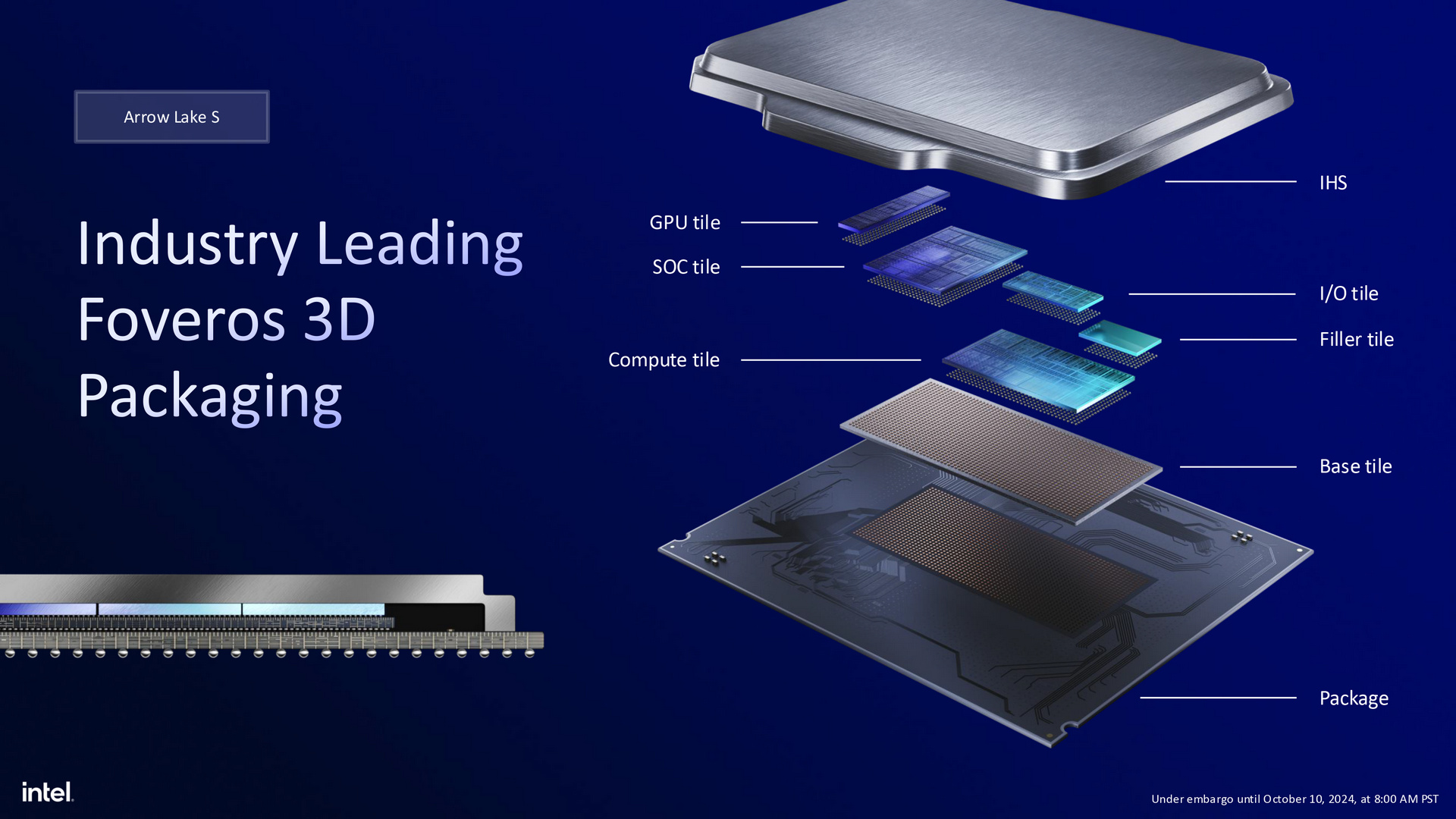
(Arrow Lake)
With the new leadership, Lip Bu-Tan, and other executives, the company is determined to shift its focus to higher Māori rates and is pursuing a “positive” strategy to maintain profitability. He stressed that the 50 per cent Māori rate was a corporate “bottom line target” and that the Māori rate for some high-end products (e.g. AI server chips) could be over 60 per cent.
At the Global Technology Conference of the United States Bank (BOA), Michelle Johnston, the head of Intel Products, revealed that Intel’s product portfolio is now more focused on raising the Māori rate and will end research and development (R&D) for any product with a Māori rate below 50 per cent.

Intel has faced intense competition in recent years between AMD, NVIDIA and the TSMC, with market share and profitability under pressure. In 2024, the overall Māori rate in Intel was 42.6 per cent, down from 75 per cent in NVIDIA and 50 per cent in AMD. To reverse the decline, Intel launched a comprehensive transformation plan:Focus AI accelerators, server chips and high performance client processors to reduce reliance on low-end, low-profit markets;Accelerated advance of Intel 18A and Intel 3 processes, with large-scale production planned for 2025 to reduce costs and enhance performance.The Inteldian Works Service (IFS) has contracted Microsoft and Amazon AWS, with the goal of becoming the second-generation plant in the world by 2027.
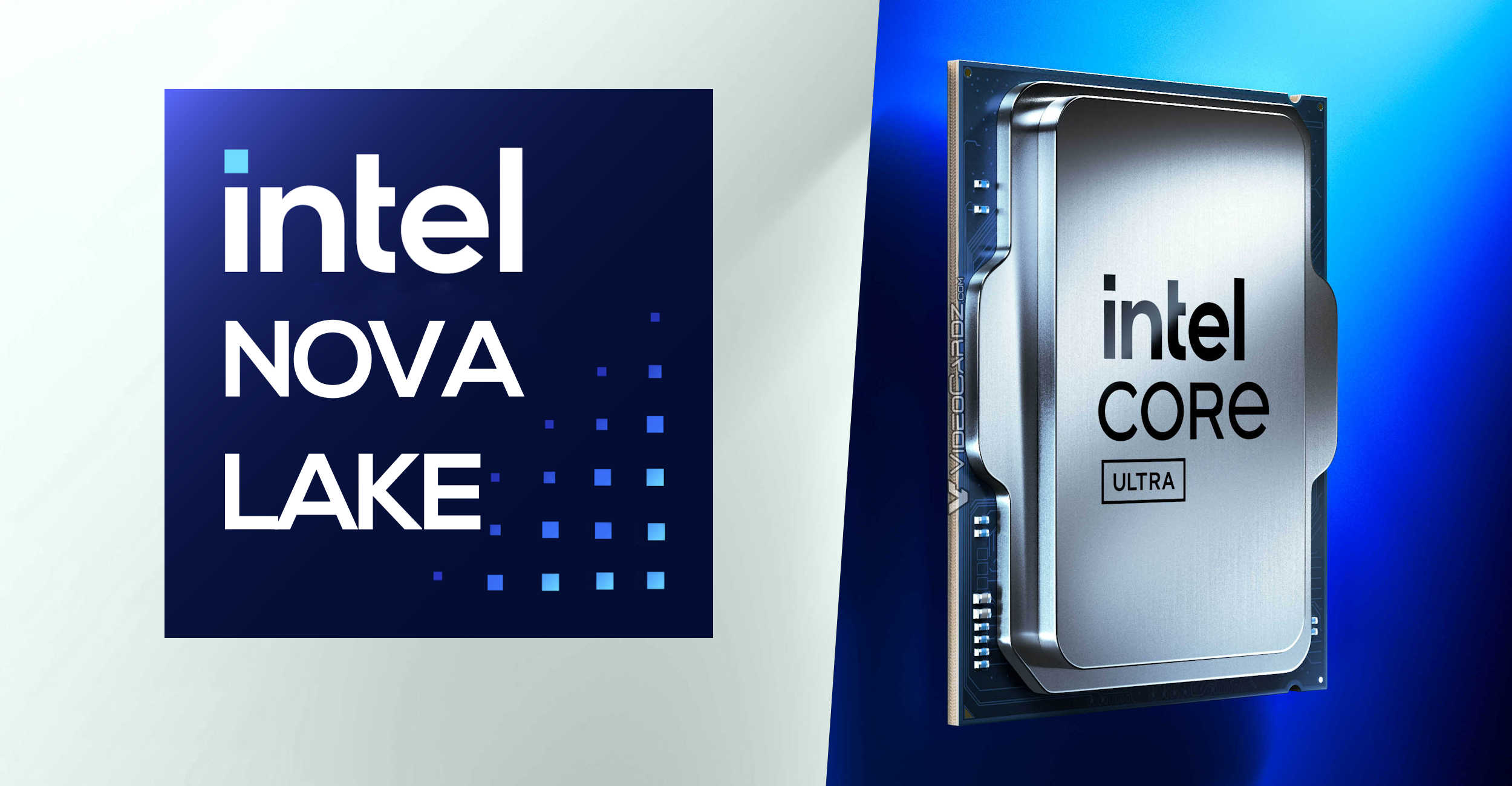
Michel Johnston also reiterated the company’s commitment to a “two-source strategy” for its round-trip workers’ needs, claiming that Nova Lake would use both Inteldeer services and the power of desk power as the primary task here was to push the best products to the market. The strategy of “IDM 2.0” introduced by the former CEO Pat Gelsinger appears to have become obsolete under the new leadership. The producer said, “Well, how am I supposed to use Inteldell, Samsung and the station to actually optimize?” Therefore, I have been making it public that on the next generation of our product Nova Lake, it will be used both as a build-up and as an Inteldeer.”
Intel ‘ s strategic transformation reflects a shift from the semiconductor sector to a high-profit AI market. The global market for AI chips is projected to reach $71 billion in 2024, with a potential increase to $144 billion in 2027. Through GPU, NVIDIA has taken the lead in the AI training area, while Intel seeks breakthroughs through integrated platforms that integrate CPU, GPU and accelerator. At the same time, the progress of the Inteldei industry has increased its competition with the build-up and may attract more clients to its advanced production.